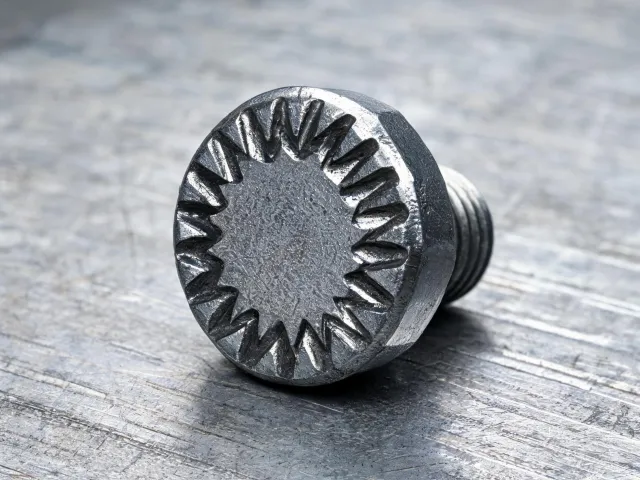
Extractor Bite
Look at head access, corrosion, and drive clearance before choosing a removal path.
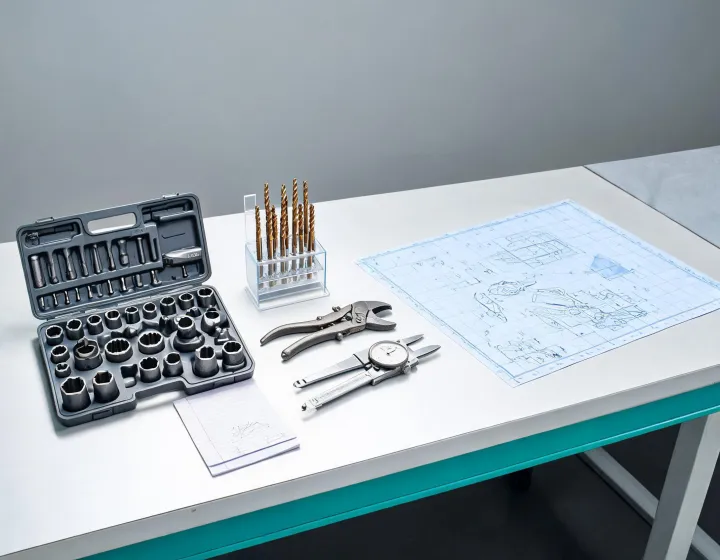
Engineering notes
This engineering reference center keeps a split image, narrative, expandable guide, gallery, and form-based CTA structure while focusing every message on tool selection, damaged fastener recovery, drill bit specification, and professional catalog support.
View CatalogField-to-spec narrative
Irwin engineering content begins where many tool conversations begin: a technician is holding a damaged fastener, a worn bit, or a clamp that does not quite reach. The useful answer is rarely just a product name. It is a sequence of observations: what material surrounds the fastener, how much clearance exists, which drive tools are available, how often the task repeats, and whether the solution belongs in a single repair kit or a stocked trade counter. Those details create a recommendation that can be repeated by another technician later.
For hand tools, the same logic applies to grip geometry and working posture. A curved jaw locking plier is not interchangeable with a long nose version when the workpiece is recessed, and a spring clamp does not replace a vise when the assembly requires stable drilling. Irwin content should help buyers talk through those differences with clear language, not broad claims. That is why this engineering page uses pull quotes, fit tables, and practical gallery scenes rather than abstract messaging.
"The right tool note says what the tool touches, what condition it solves, and what the buyer should check before ordering."
Irwin trade support principle
Expandable guide
Engineering gallery
Look at head access, corrosion, and drive clearance before choosing a removal path.
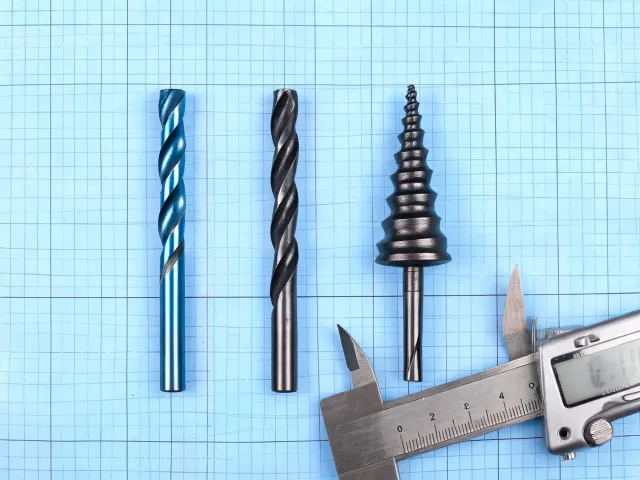
Material and hole size determine whether a bit set is practical or wasteful.
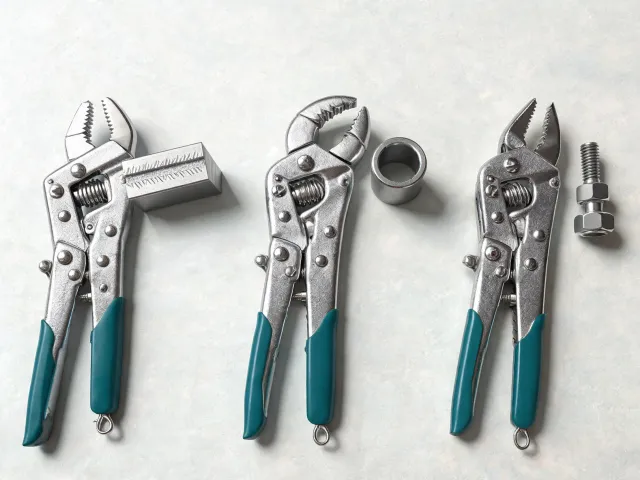
Curved, long nose, and wide jaw tools solve different holding problems.
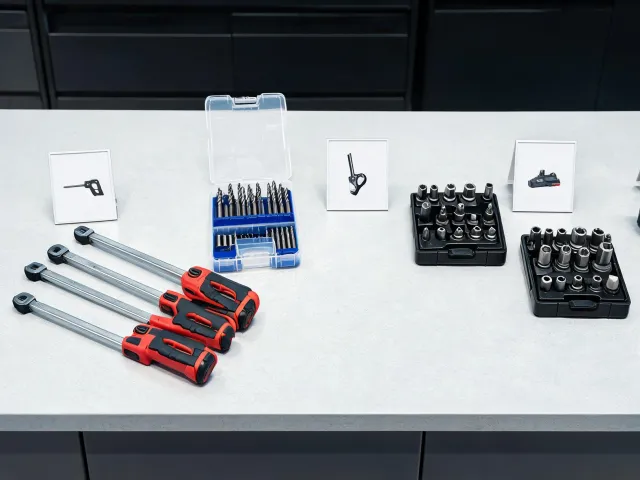
Group products by task frequency so the shelf tells a coherent story.
Send the damaged fastener condition, material, access limits, or trade counter goal. The response can focus on exact tool families and documentation.